From LAPD to Use of Force Training: Tim Pearce’s Story
Tim Pearce’s journey from LAPD officer to training innovator is rooted in real-world experience and personal adversity. His work focuses on preparing officers and security professionals to perform when situations become unpredictable and high-risk.
The Vision InSites Podcast
From LAPD to Use of Force Training: Tim Pearce’s Story
Tim Pearce’s journey from LAPD officer to training innovator is rooted in real-world experience and personal adversity. His work focuses on preparing officers and security professionals to perform when situations become unpredictable and high-risk.
AUFire | April 28th, 2026
AUFire | April 28th, 2026
The Reality Behind Use of Force Training
Use of force training often happens in controlled environments, but real incidents are rarely controlled. During his LAPD career, Tim Pearce saw how quickly situations could shift from routine to life-threatening, especially in patrol and gang enforcement work.
That experience shaped the idea behind AUFIRE: training should prepare people for the moment when stress, injury, confusion, and decision-making all collide. Instead of only practicing perfect repetitions, officers and security professionals need exposure to the pressure that comes when something goes wrong.
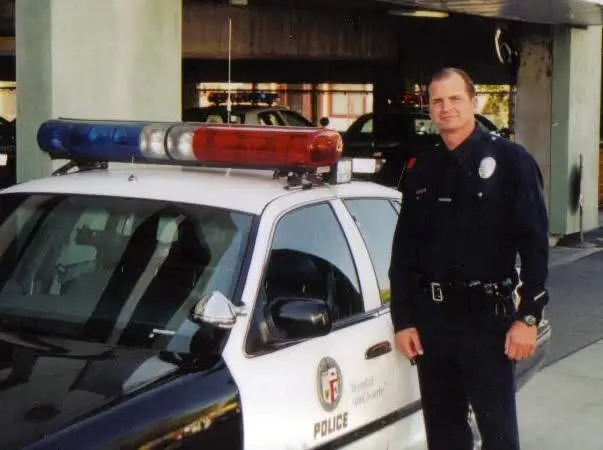
Tim Pearce as a young LAPD officer in Southwest Division patrol and CRASH gang unit
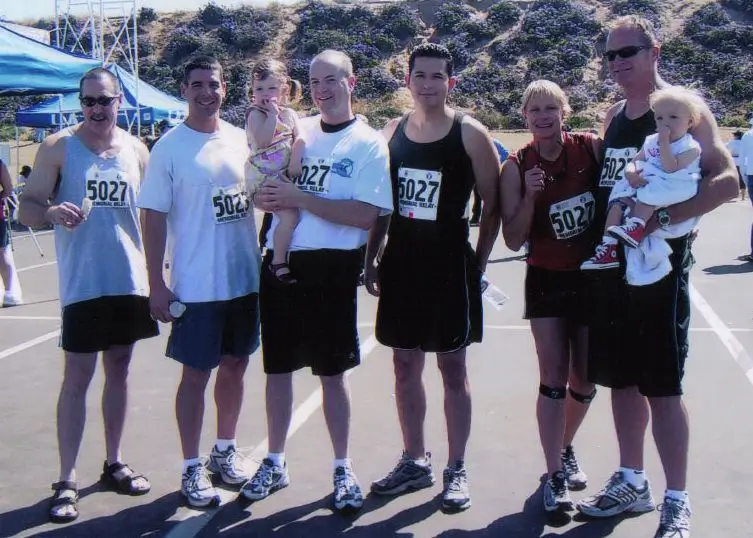
Taken the morning of June 3, 2006, after a fundraiser relay race supporting fallen officers' families, this photo captures a meaningful moment with Kristina, Tim, and their daughter Jordan. Just hours later, both returned to duty—ending in a tragic shooting that left Kristina paralyzed.
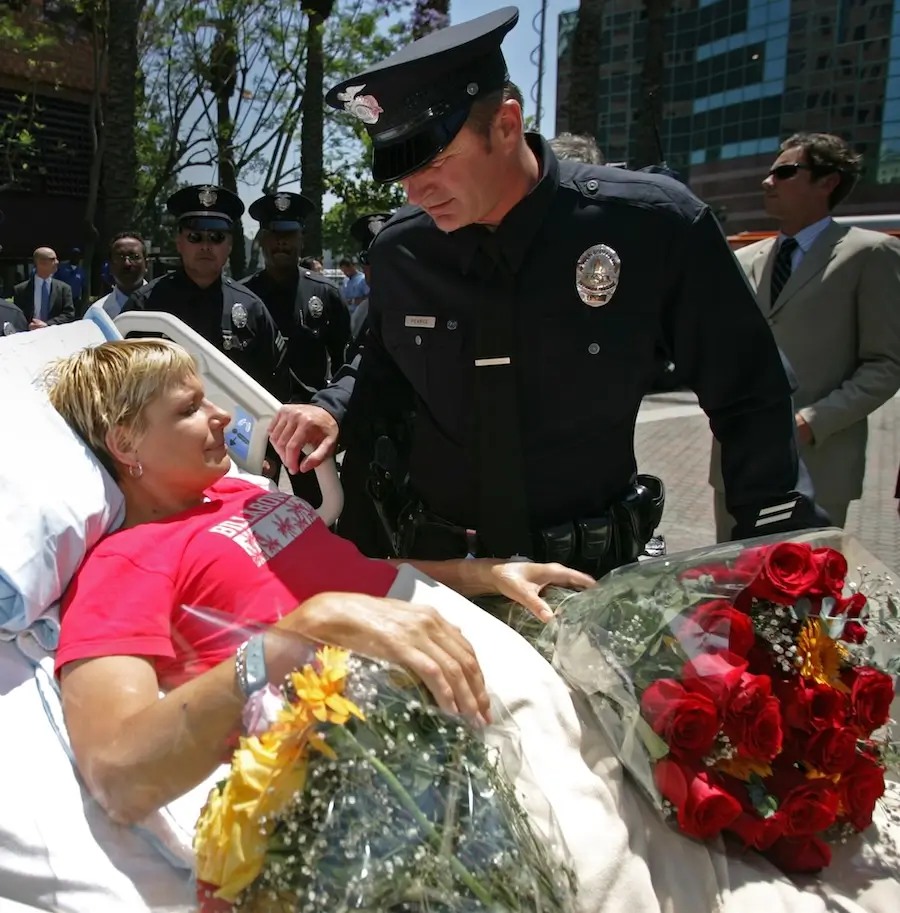
Kristina leaves California Trauma Hospital 14 days after being shot in the line of duty. She was transferred to a rehabilitation center to begin adapting to life as a paraplegic.
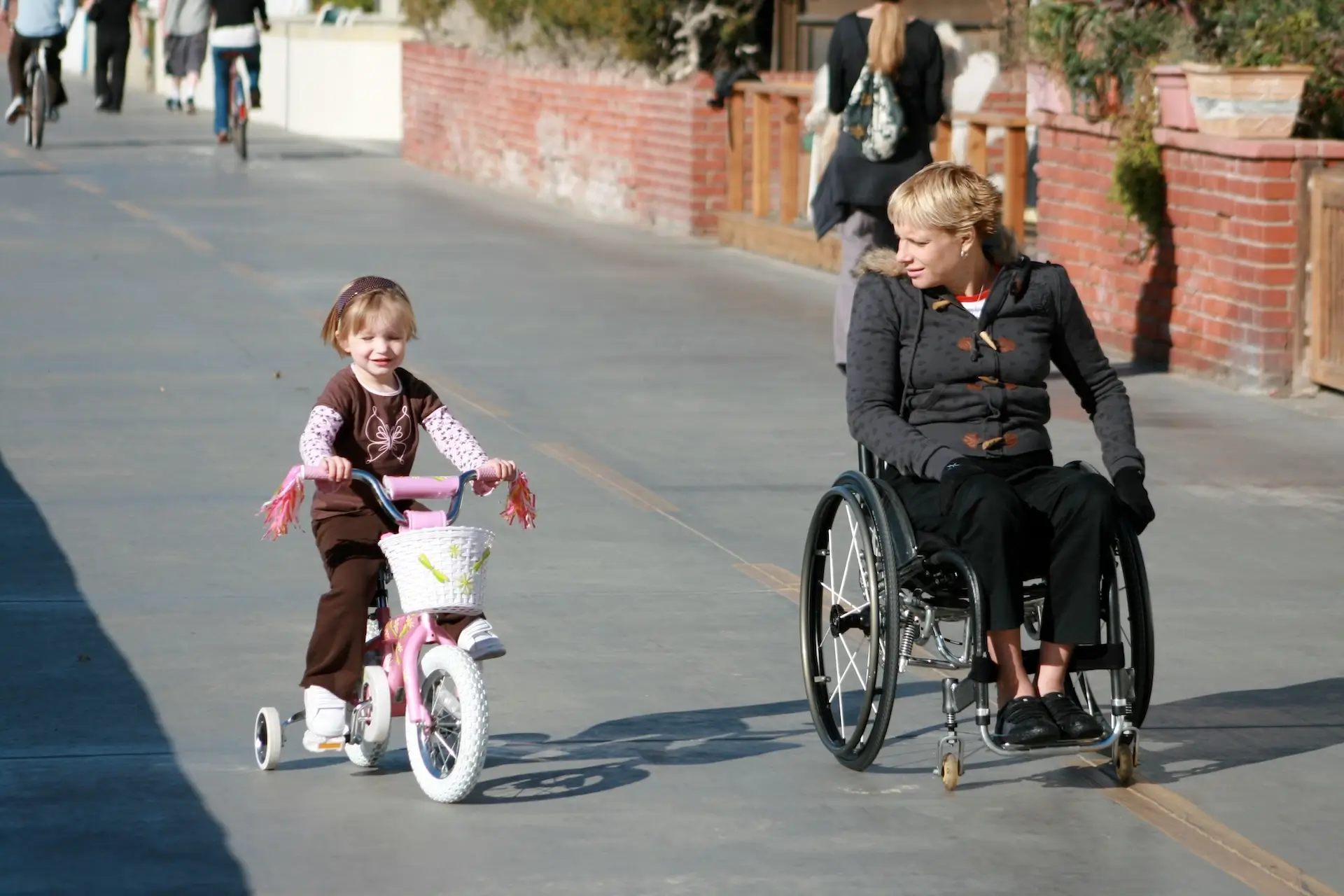
A few months after leaving the hospital, Kristina adjusts to motherhood from a wheelchair. Her resilience and determination became a driving force behind Tim's mission to improve training.
A Life-Changing Incident That Reshaped Training
On June 3, 2006, everything changed. After participating in a fundraiser supporting fallen officers’ families, Tim and his wife Kristina both went to work later that day. That night, Kristina was involved in a foot pursuit that resulted in her being shot and paralyzed.
That moment shifted Tim’s entire perspective on training, preparation, and risk. The experience wasn’t theoretical—it was personal. It revealed how quickly situations escalate and how little room there is for error when lives are on the line.
The long-term impact extended beyond the incident itself, affecting family, recovery, and the realities of adapting to a new way of life. That perspective continues to shape how Tim approaches training today.
Training for High-Risk, Unpredictable Situations
AUFIRE was built around a simple idea: real-world incidents don’t follow a script. In a critical moment, there is no pause, no reset, and no second attempt. Training has to reflect that reality.
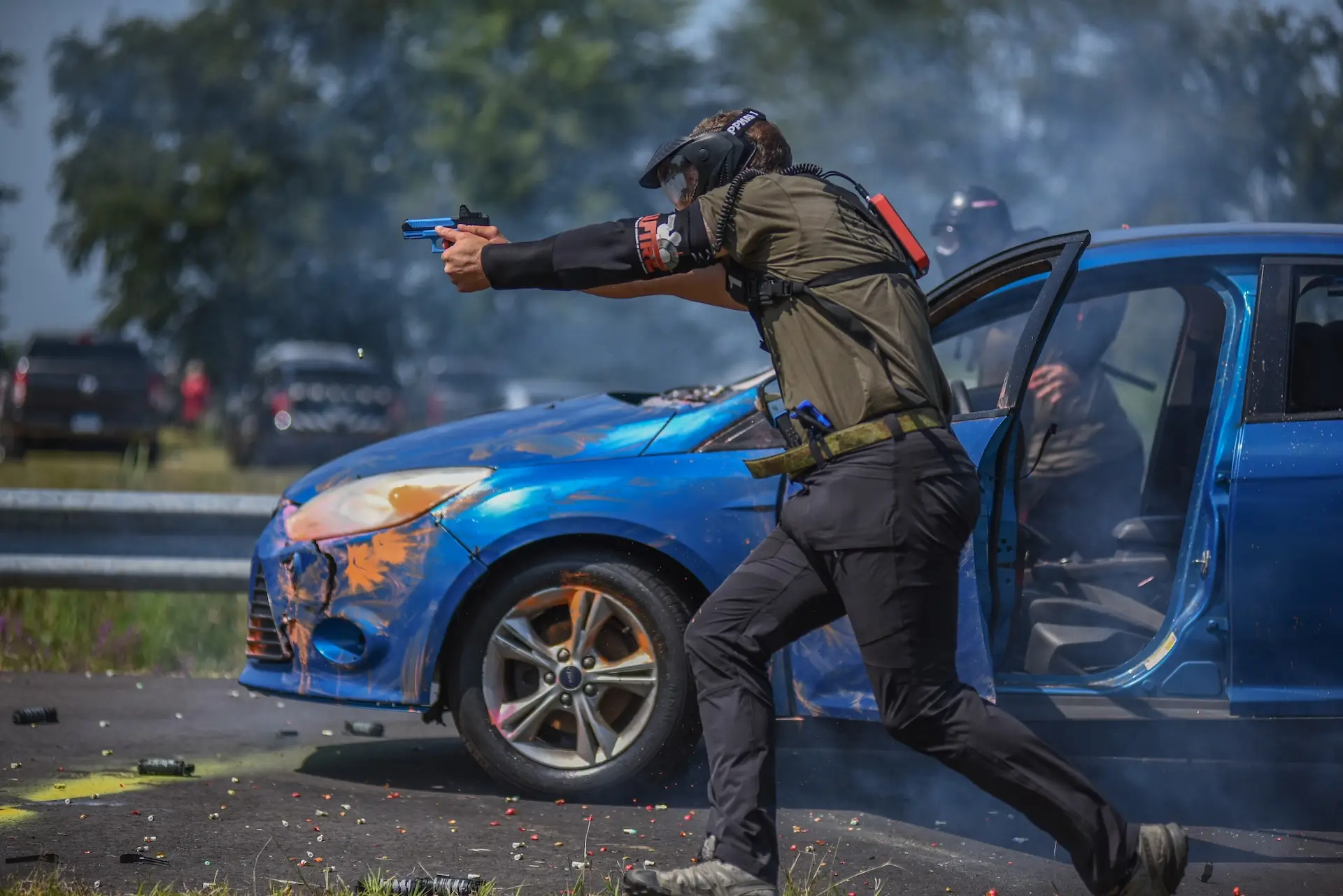
Using wearable sleeves that simulate gunshot wounds through muscle contraction, AUFIRE forces trainees to adapt immediately. Movement becomes harder, tasks become more complex, and the margin for error shrinks. Instead of relying on perfect repetitions, individuals are pushed to think and act in real time.
As Tim explains:
| “You cannot cheat. You have got to problem solve in real time or you’re gonna die.”
That pressure is what turns training into something meaningful. It’s not about making things harder, it’s about making them realistic.
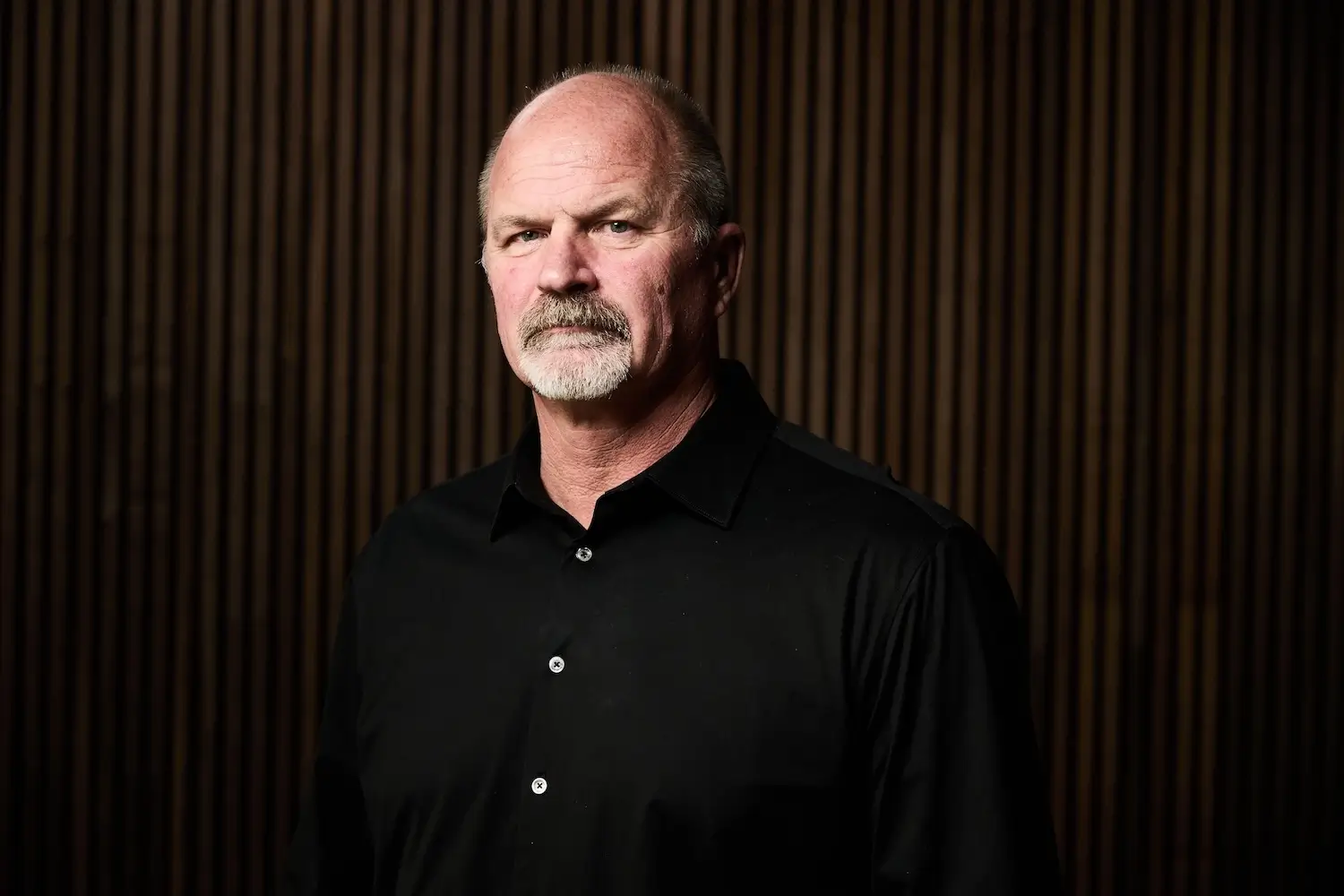
Tim Pearce is a former LAPD officer who worked patrol and gang units before developing AUFIRE, a patented training system designed to simulate the physical and mental challenges of real-world use of force situations. His work is rooted in firsthand experience and driven by a mission to better prepare officers and security professionals.
Tim Pearce is a former LAPD officer who worked patrol and gang units before developing AUFIRE, a patented training system designed to simulate the physical and mental challenges of real-world use of force situations. His work is rooted in firsthand experience and driven by a mission to better prepare officers and security professionals.
Building Performance Under Pressure
One of the biggest challenges in use of force training is preparing people for what happens when stress takes over. Skills that work in a controlled environment can quickly break down when the situation becomes chaotic.
AUFIRE introduces a level of disruption that forces trainees to stay focused despite discomfort, confusion, and physical limitation. Instead of reacting automatically, they must think through each step while continuing to perform.
That’s the core objective behind the system:
| “We’re training the brain, not the body. We’re training the brain to go, okay, this is bad—what can I do?”
By shifting the focus to decision-making under pressure, training becomes less about repetition and more about adaptability.
AUFIRE uses wearable sleeves to simulate gunshot wounds through muscle contraction, creating realistic physical disruption during training. Developed from real-life experience, it prepares users to perform under pressure despite injury.
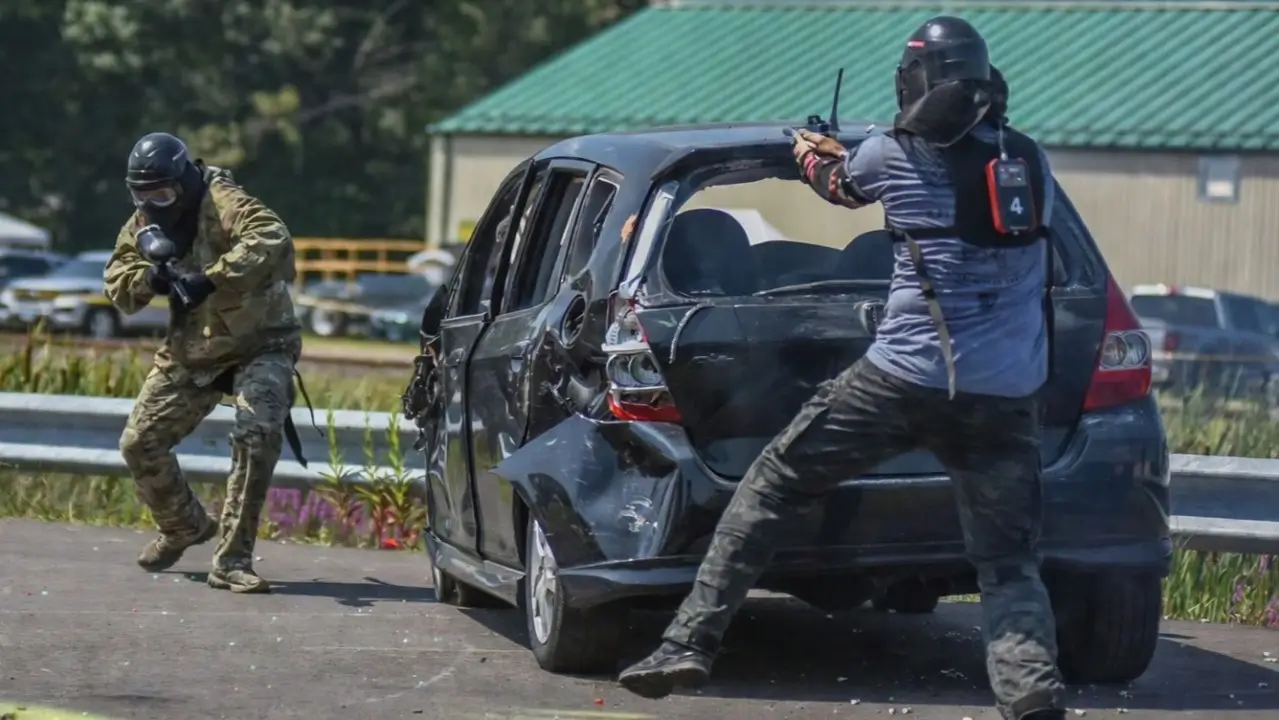
AUFIRE introduces physical and mental stress into force-on-force scenarios, challenging trainees to stay focused under pressure. The system helps build confidence and performance in high-risk situations.
LAPD officers train with AUFIRE in realistic use of force scenarios that simulate injury and limb incapacitation. The training reinforces resilience, communication, and the ability to perform in critical moments.
Why This Matters for Security Teams
While Tim’s background is rooted in law enforcement, the lessons apply directly to private security. Many security teams face situations where quick decisions and clear communication are essential, yet training often doesn’t reflect those realities.
For security companies, the takeaway is simple: preparation must go beyond basic procedures. Teams need to be ready for:
Unexpected escalation
High-stress interactions
Situations where standard protocols may not apply
Improving training in these areas leads to better outcomes—not just for personnel, but for the clients and communities they serve.
Watch or Listen to the Full Episode
Hear the full conversation with Tim Pearce on the Vision InSites Podcast, where he shares insights from his LAPD career, the personal experiences that shaped his approach, and how training can better prepare professionals for real-world situations.
Vision InSites is built for private security operators who need visibility, accountability, and clarity as their organizations grow.
As companies scale, leadership cannot be everywhere at once. Vision InSites bridges that gap by centralizing reporting, structuring field activity, and delivering operational insight that helps security teams maintain standards and communicate effectively across sites.
Whether you’re managing a single property or a multi-location portfolio, Vision InSites supports the systems and transparency required to strengthen oversight and scale without losing control.
If you want your clients to see your professionalism — not guess at it: Book a live demo