Kristina Ripatti on Resilience, Recovery and Justice
Chris Anderson welcomes back Tim Pearce alongside Kristina Ripatti, a former LAPD officer, licensed clinical social worker, and advocate. Together, they reflect on Kristina’s career, the on-duty shooting that changed her life in 2006, and the work that continues long after the initial trauma.
A Career Grounded in Justice
Kristina did not enter law enforcement because she wanted to write tickets or enforce rules for their own sake. Her path began with a strong sense of justice, a competitive athletic background, and a desire to help people while understanding the circumstances that shape their lives.
That perspective influenced how she worked in the field. Kristina and Tim built trust with one another by staying disciplined, communicating clearly, and treating people with respect, even in difficult environments. Their partnership was effective because it combined awareness, accountability, and an understanding that every situation involved real people.
Those values continued to guide Kristina well beyond her time in uniform.
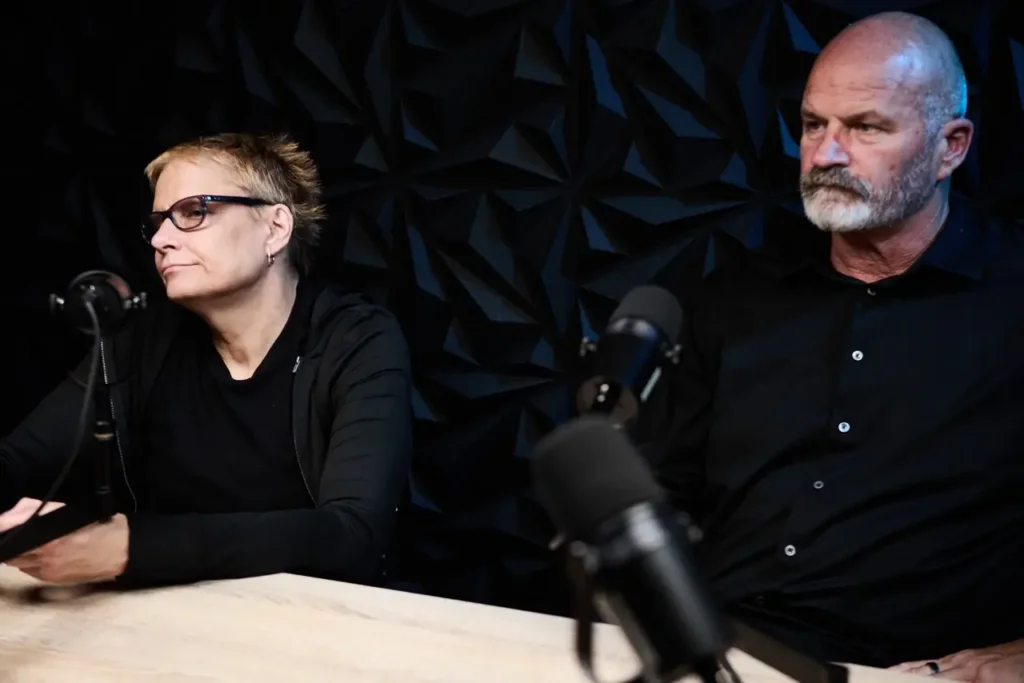
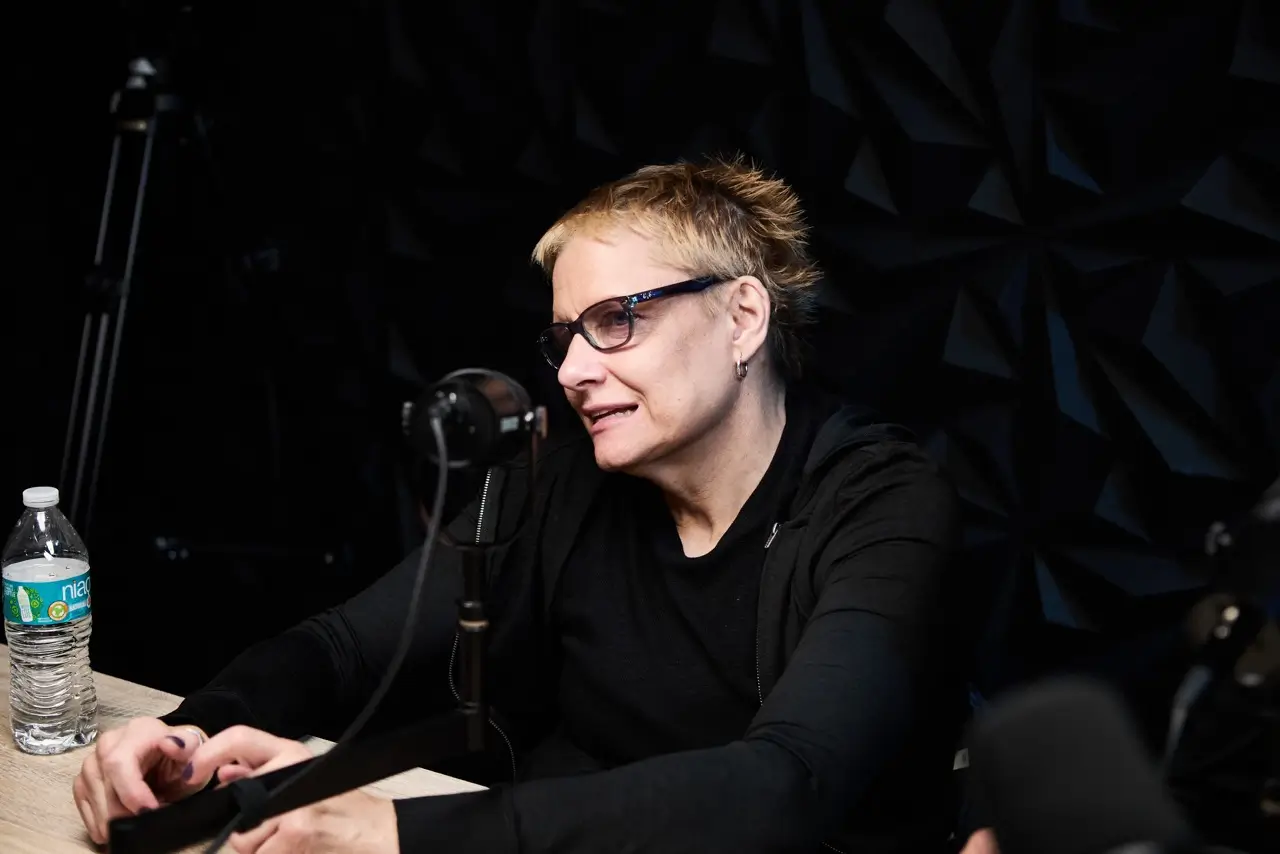
Kristina Ripatti and returning guest Tim Pearce record an episode of the Vision InSites Podcast.
An Injury That Changed Every Part of Life
In 2006, Kristina was shot while pursuing a suspect during her LAPD assignment. The injury left her paralyzed and changed far more than her mobility.
A spinal cord injury can affect every part of daily life. It can change how a person moves, works, manages pain, receives medical care, and maintains independence. Years later, Kristina also learned that the blood loss from the shooting had caused a traumatic brain injury. The delayed diagnosis helped explain lasting challenges with focus, processing speed, and emotional regulation.
The effects of a catastrophic injury are often not visible to everyone else. Kristina’s story brings that reality into focus. Recovery involves adapting to a new life while continuing to manage physical, emotional, and practical challenges that can evolve over time.
Recovery Requires Adaptation and Purpose
Before her injury, Kristina was known for her discipline in the gym. She brought that same determination into recovery.
Returning to the gym meant finding new ways to train, modifying equipment, and rebuilding a routine around the abilities she still had. It was not about returning to the life she had before. It was about continuing to build strength, independence, and confidence within a life that had changed.
That mindset carried into the next chapter of her career. Kristina earned a master’s degree in social work and became a licensed clinical social worker. Her work reflects the same commitment to people and justice that originally led her into law enforcement.
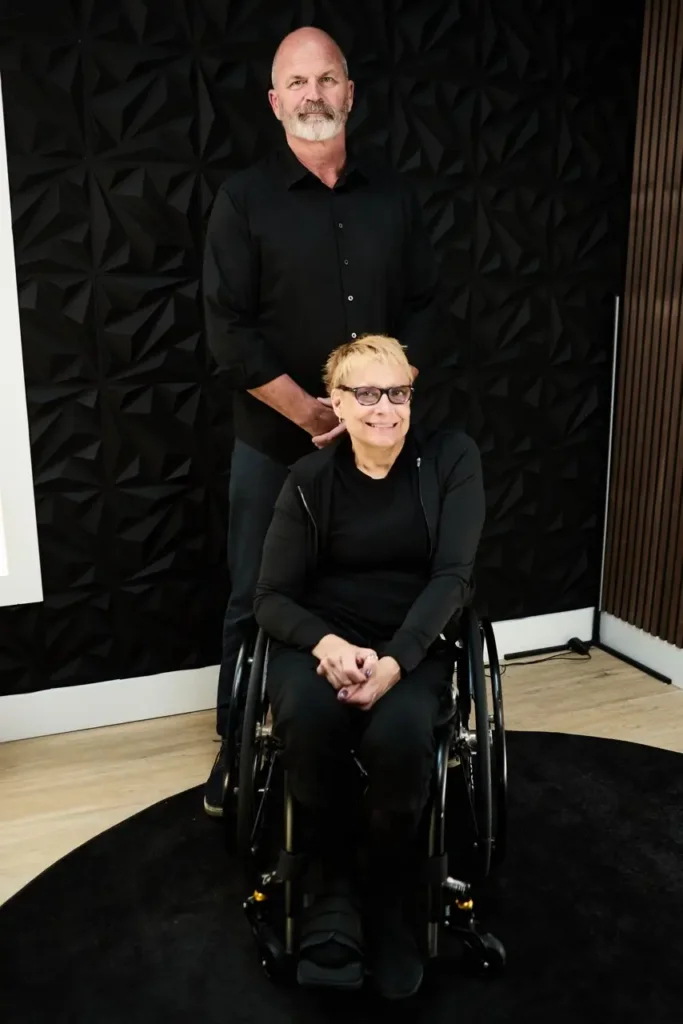
Tim Pearce and Kristina Ripatti together during their Vision InSites Podcast studio visit.
Why Disability Rights Advocacy Matters
For Kristina, disability rights advocacy is personal. It is also bigger than one person’s experience.
She explains how people with spinal cord injuries can face delays, denials, and systems that do not fully account for the complexity of their condition. Medical needs, durable equipment, therapy, and reasonable accommodations are not optional conveniences. They can determine whether someone can live safely and independently.
Kristina’s experience highlights the gap between being promised lifetime care and having to repeatedly fight for the treatment and resources needed to maintain quality of life. She believes people with disabilities should not have to navigate those barriers alone, especially when their injury has already changed every aspect of their daily life.
Turning Experience Into Advocacy
Kristina is using her lived experience, clinical background, and determination to advocate for better care and stronger protections for others.
Her message is not limited to recovery after an on-duty injury. It is about recognizing the full impact of a disability, listening to the people who live with it, and creating systems that respond with dignity and urgency.
Tim’s perspective adds another layer to the conversation. He saw Kristina’s strength as a police partner, witnessed the immediate aftermath of the shooting, and understands the long-term demands that recovery has placed on her life. Together, they offer an honest look at resilience that does not minimize the difficulty of what came next.
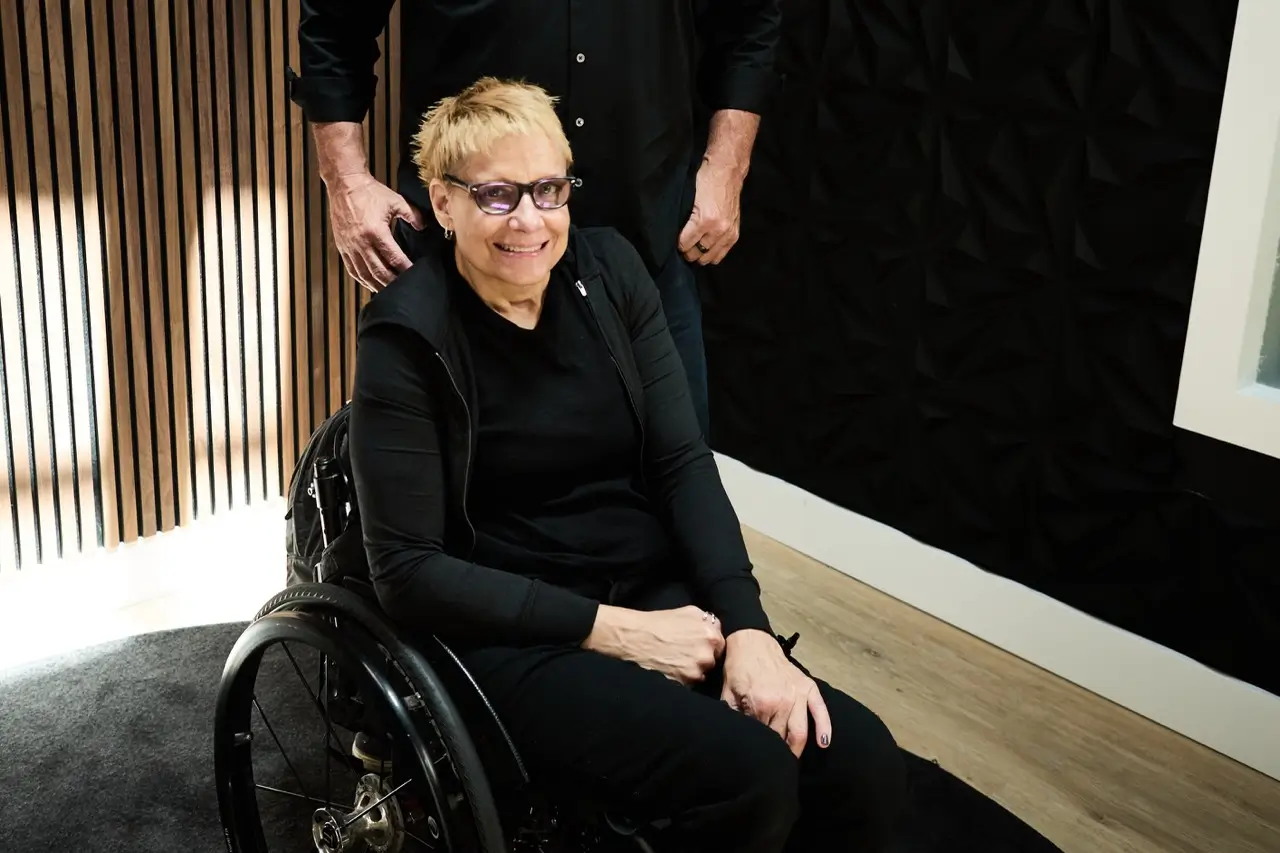
Kristina Ripatti during a behind-the-scenes photo shoot at the Vision InSites Podcast studio.
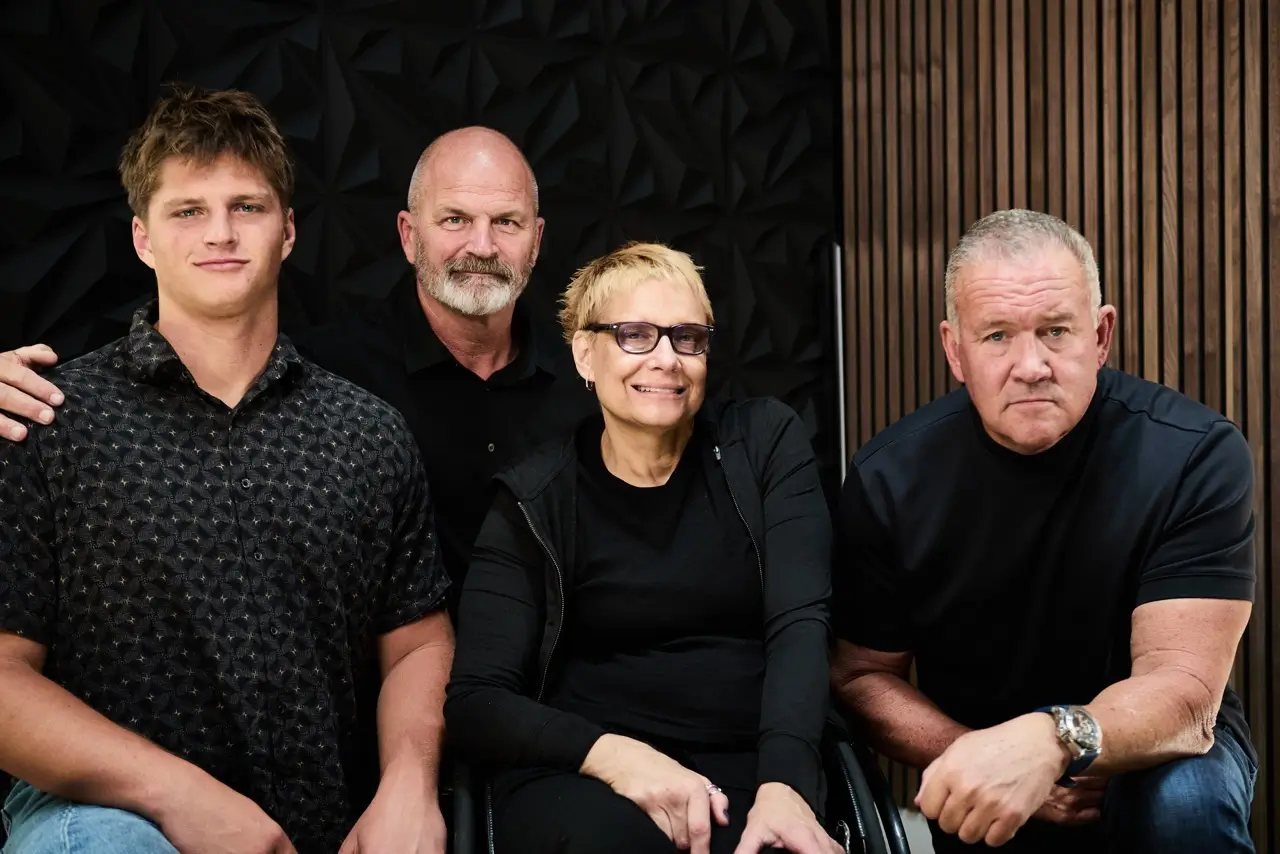
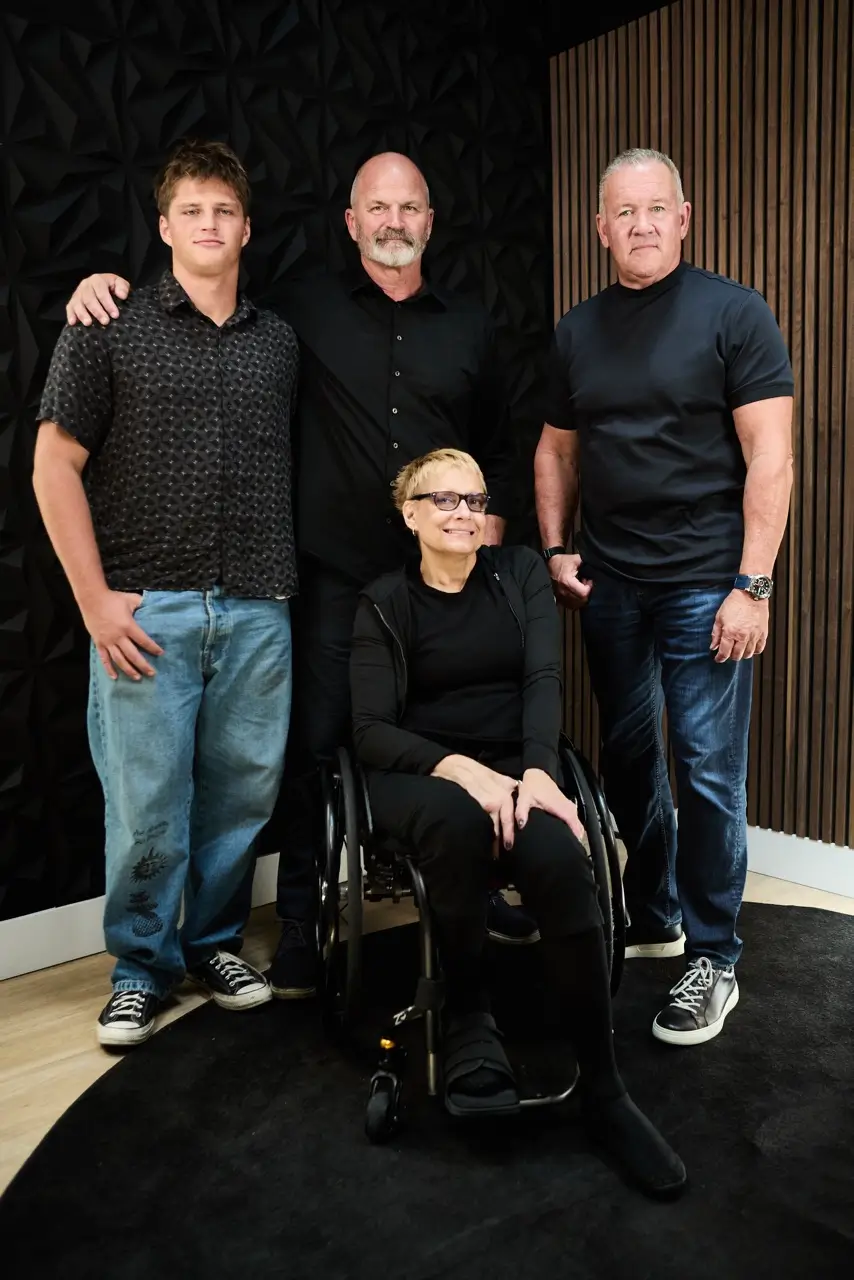
Kristina Ripatti seated with Tim Pearce, their son, and Chris Anderson in the Vision InSites Podcast studio.
Former LAPD officer and licensed clinical social worker Kristina Ripatti shares her story on the Vision InSites Podcast.
Watch or Listen to the Full Episode
Check out the full conversation to hear Kristina Ripatti and Tim Pearce talk with Chris Anderson about their years in law enforcement, the shooting that changed Kristina’s life, and the path that led her to disability rights advocacy. They also discuss the ongoing realities of spinal cord injury, traumatic brain injury, access to care, and finding purpose through service to others.
Vision InSites helps security companies improve communication, strengthen accountability, and gain clearer visibility across every site. From real-time observations and customizable workflows to intelligent reporting, our security guard management software helps teams maintain standards, demonstrate value, and make informed operational decisions.