Every Report Is an Ad for Your Security Business

Vision InSites Newsletter — Issue #1
What to Expect
Each edition shares practical insights on security operations, reporting best practices, and how property managers and security companies can get more value from their data.
Reports = Marketing
Property managers don’t see the long hours you spend managing schedules, training teams, or covering last-minute call-offs.
What they do see are the reports you send them. And those reports are the most consistent ads for your security business.
A sloppy report makes your company look careless.
A polished report positions you as reliable, professional, and worth keeping.
How to Make Reports Work for You
1) Build for the Client, Not Just for Accountability
Reports shouldn’t exist only as internal tools. Build them with the client’s perspective in mind.
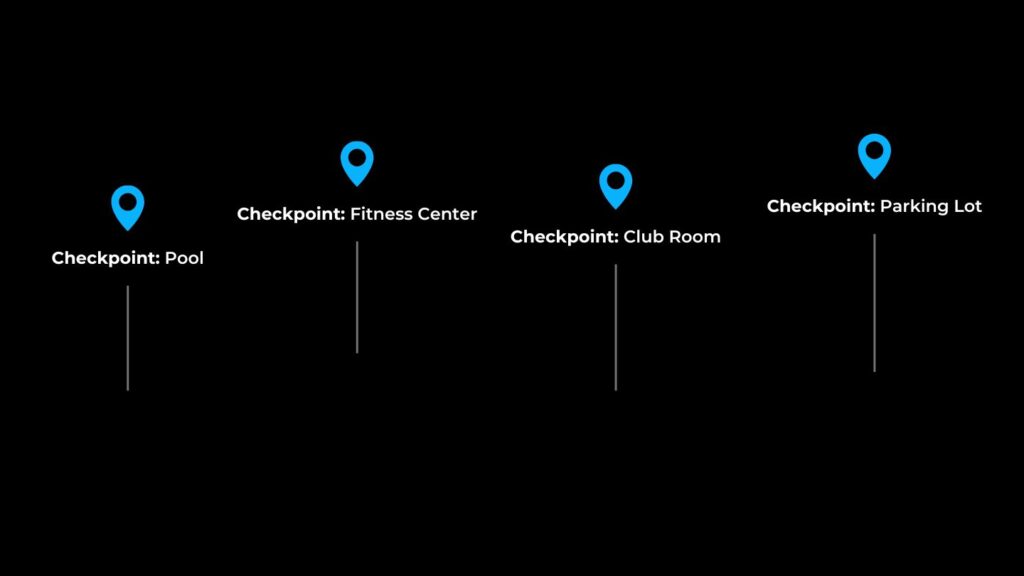
Instead of one generic daily report with random photos, break things down into key points of interest: the fitness center, recreation areas, stairwells, parking, loading docks.
This makes coverage clear at a glance, for both property managers and regional managers who may not know the property layout.
2) Use Accurate Reporting Categories
When everything gets stuffed into “incident report,” you lose the real story.
Break categories down so you can capture specifics like:
Burnt-out lights
Trespassing incidents
Noise complaints
Maintenance issues
This gives you measurable insights:
“12 burnt-out lights last quarter”
“7 trespassing incidents this month”
“4 noise complaints tied to the same unit over a year”
That clarity transforms reports from generic paperwork into proof of value — and a sales tool.

How One Shield Security Turned Reports Into a Growth Tool
Matt Rash, Founder of One Shield Security, has seen reporting evolve over the past decade — from Word documents and PDFs to today’s Intelligent Reporting Systems with Vision InSites.
| “Back in 2015, we were writing reports in Word, saving them as PDFs, and emailing them to clients. It worked, but it wasn’t efficient.”
When Matt adopted early electronic reporting tools, it streamlined the process — but also revealed gaps. Some guards weren’t consistent, categories were vague, and reports still lacked polish.
| “The challenge for a lot of companies is consistency. Unless you’re confident every guard is doing things the right way, the reports will point out flaws in your system.”
That’s where Vision InSites came in. With Dynamic Observations, reports aren’t just logged — they’re rewritten with professional clarity, automatically categorized, and delivered instantly to clients in their preferred language.
🎥 Watch the full conversation with Matt Rash here →
| “Vision ties everything together. Intelligent Reporting rewrites reports so they read as if someone with years of experience wrote them. It makes it easier for our guards, easier for us, and easier for the client.”
The result:
Faster reporting without middleman approvals.
Consistent, professional reports every time.
Clients see activity as clear, story-driven updates — not raw notes.
| “It doesn’t just document patrols. It tells the story. And that story becomes the proof of value for our customers.”
Of course, building out checkpoints and categories sounds great in theory — but in practice, it’s where most companies fall short.
Product Spotlight: Dynamic Observations
Breaking reports into checkpoints and categories makes them easier to read and more valuable.
But here’s the challenge: security guards face unpredictable scenarios every day, and admins rarely have time to perfectly configure reporting categories. That gap leads to inconsistent reports and diluted analytics.
This is why we built Dynamic Observations:
Automatically categorizes every guard note.
Assigns the right priority level every time.
Cleans up typos and punctuation.
Translates reports into 80+ languages.
Dynamic Observations delivers accurate, polished reports — every single time.
➡️ See Dynamic Observations in Action
Turn Reports Into Results
Here are three quick ways security teams can make reporting more impactful today:
-
Cut Routine Patrol Reports.
Property managers don’t want to scroll through pages of “code 4” or “all clear” notes. Instead, use checkpoints to document patrol coverage and reserve reports for unusual findings. This keeps reports concise, relevant, and worth opening every day.
-
Highlight Maintenance Issues.
Security concerns may be occasional, but maintenance issues appear daily — from burnt-out lights to broken sprinklers to slip hazards. Reporting these items saves property managers from doing their own property walks and helps them prevent liability. When you make their job easier, they’ll want you at more of their properties.
-
Connect Maintenance Teams.
Go one step further by routing maintenance-related reports directly to the maintenance team. This removes the property manager as the middleman, speeds up resolution, and reduces potential risks and liabilities.
Small shifts like these turn reports from background noise into tools that prove your value — positioning your company as a partner, not just a vendor.
🎙️ The Vision InSites Podcast Highlight
Drill Instructor to Deal Maker: Lessons in Leadership & Growth with Joe Schmidt — we talk about scaling a business through discipline, accountability, and communication.
| “It’s not just software — it’s how you use it.” – Joe Schmidt
Listen now: ➡️ Spotify | Apple Podcasts | YouTube
Industry Trends & Insights
Property managers are working more remotely due to accelerated tech adoption, especially since the COVID-19 pandemic. Virtual tours, online rent collection, and digital communication have enabled a more efficient and cost-effective model, allowing access to a global talent pool and reducing overhead.
Why this matters for security companies:
Substance over “all clear.” Property managers rely more heavily on reports that show real value, not just “code 4” or “all clear” notes.
Organization is critical. Labeling everything “incident report” or “informational” makes daily activity reports harder to digest. Clean, structured categories make all the difference.
Clean reports = clean data. Organized reports create usable analytics, allowing managers to spot trends and address pain points even when they aren’t physically on-site.
The bottom line: as property managers work more remotely, your reports become the primary ad for your business — making structured, professional reporting not just important, but essential.
Behind the Vision
Before co-founding Vision InSites, I consulted for security companies and saw this problem everywhere: rushed site setups, generic reporting, and missed opportunities to demonstrate value.
That experience is exactly why we built Vision InSites — to make reporting not just easier, but more powerful for growing your business.
Closing Thought
Your reports aren’t just paperwork. They’re the ads property managers see every single day. Make them work for you.
Author
 Art
Share